The Future of the Grid
Building the infrastructure to unlock energy abundance.
May 7, 2026





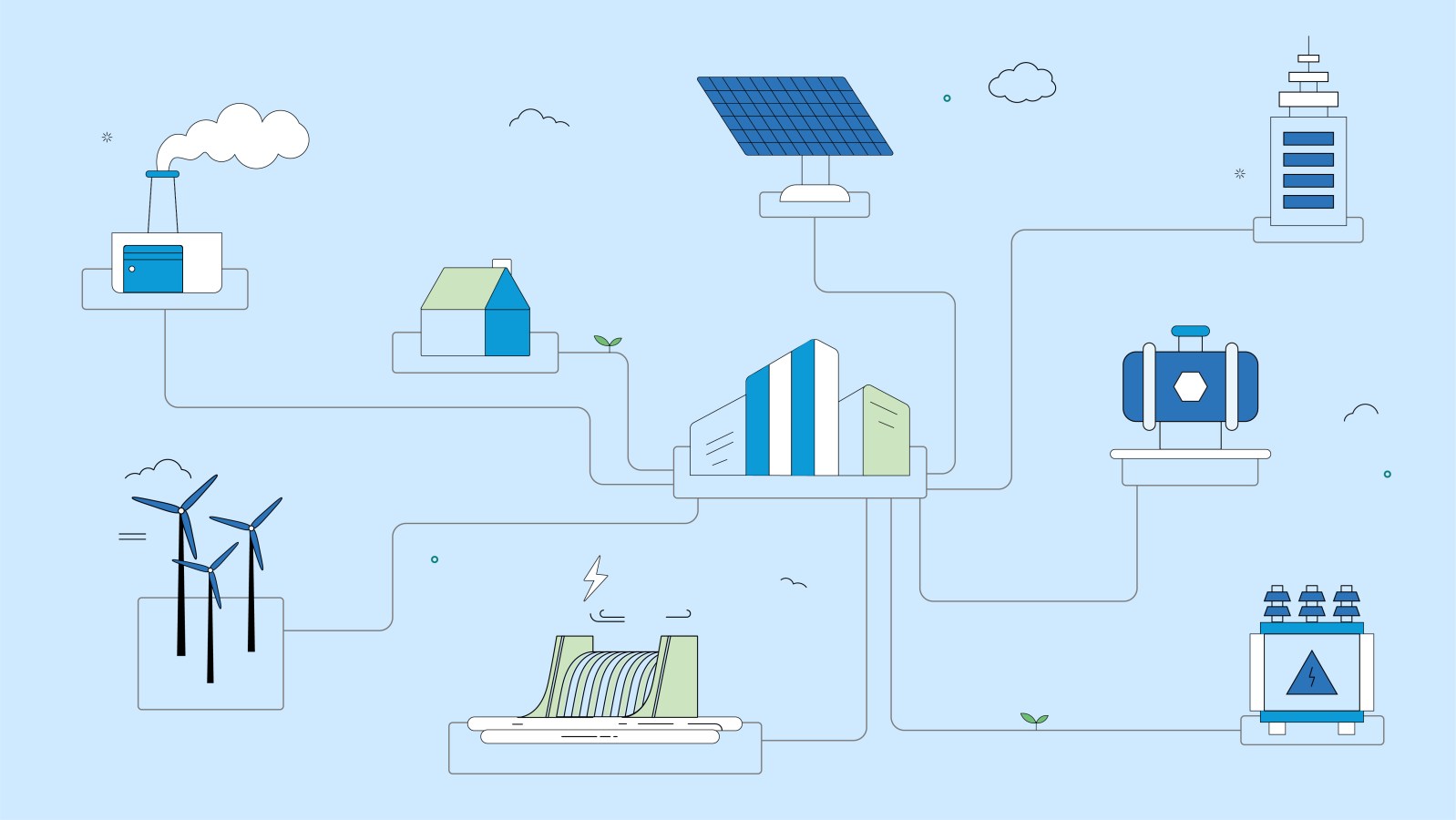
Solving the AI energy crisis requires more than just new generation; it requires a modernized delivery system. While the first installment of our energy series identified the five pillars of an energy-abundant future (renewables, batteries, geothermal, fission, and fusion), those sources are only as effective as the infrastructure that carries them. The focus now shifts to the bottlenecks within the U.S. power grid and the massive opportunities for innovation in how we move and manage electricity.
The U.S. energy grid, which delivers power from generation sources to households and businesses nationwide, is currently under pressure by two converging dynamics.
On the one hand, the grid as currently constituted is aging and fragile — so fragile, in fact, that the American Society of Civil Engineers gave it a “D+” grade in its 2025 energy sector infrastructure report card, down from a “C-” grade in 2021. At the same time, unprecedented energy demand and growth are putting increasing strain on a delicate system.
This dynamic creates a significant gap in resource adequacy. In July 2025, the DOE reported that current asset retirement schedules, combined with planned capacity additions, suggest reliability risks across most regions within the next five years. Maintaining this trajectory would impact U.S. economic growth, national security, and long-term leadership in AI.
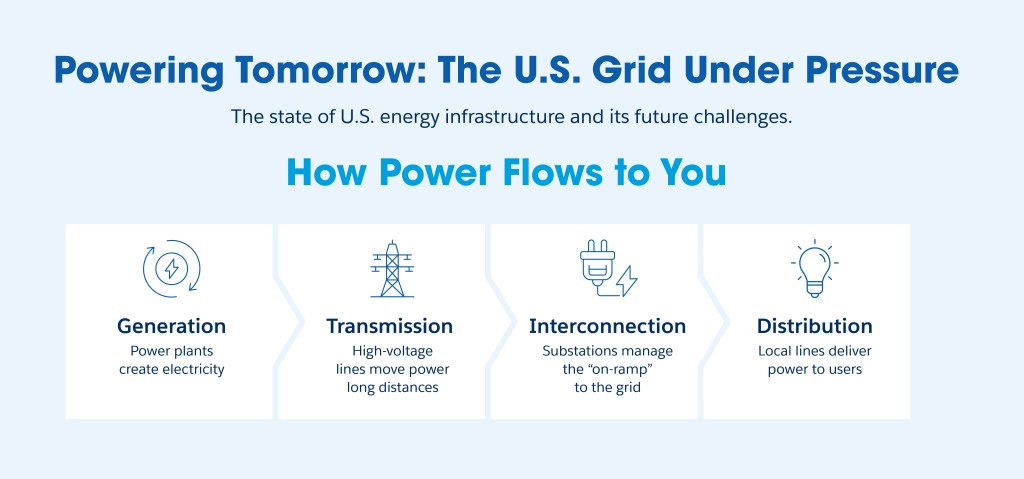
Closing this gap requires a closer look at the current state of transmission, interconnection, and distribution. Each stage of the energy supply chain faces distinct bottlenecks, yet recent advancements in grid modernization, working in tandem with generation innovation, provide a clear path toward a more abundant energy future.
Summary
- The U.S. energy grid is aging and strained, with increasing demand creating a significant resource adequacy crisis that threatens reliability, economic growth, and national security.
- Over 70% of transmission lines are more than 25 years old, and construction of new lines is far below DOE targets, but grid-enhancing technologies like Dynamic Line Ratings and Power Flow Controllers can increase capacity, efficiency, and resiliency in months rather than decades.
- The interconnection queue is massive, and timelines often exceed 3 years due to capacity limits, speculative requests, and understaffed agencies, but DOE and FERC reforms, along with platforms like Emerald AI’s Conductor, can enable faster, more flexible connections for AI data centers.
- The distribution grid now must handle bidirectional flows, distributed energy resources, electric vehicles, and local data center loads, which has led to utility spending on distribution exceeding that on transmission and generation, and faster residential rate increases in higher-cost regions. Solutions such as demand response, Virtual Power Plants (“VPPs”), and smart EV charging are becoming essential for maintaining efficiency and reliability.
Transmission
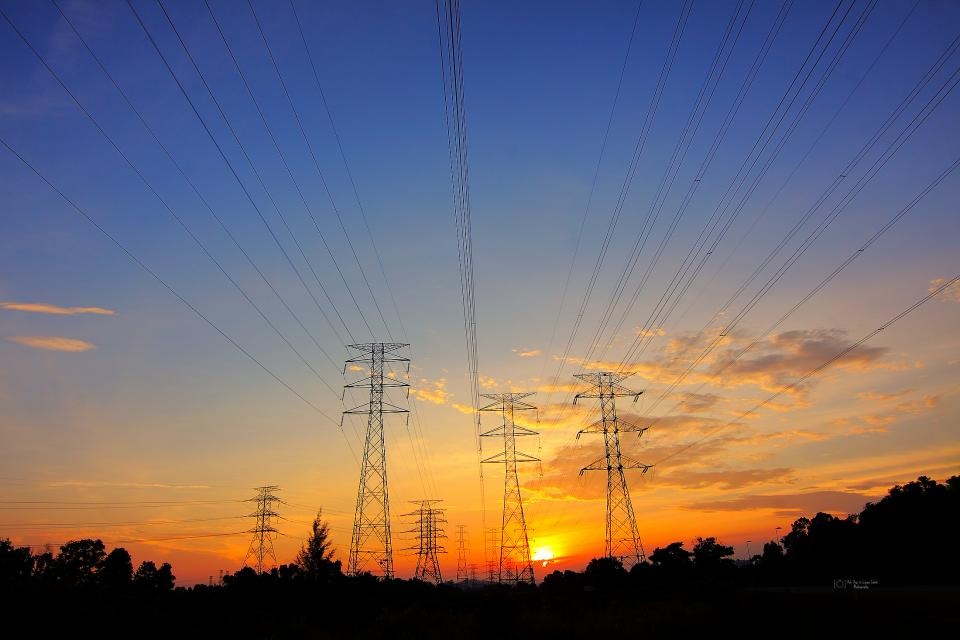
Transmission lines are physical high-voltage lines that move power long distances. These lines can be intraregional or cross-state, transferring power from energy-rich regions to regions with greater energy need.
As of 2025, more than 70% of the nation’s 600,000 miles of transmission lines are more than 25 years old. This matters because, like all infrastructure, transmission lines have a design lifetime. After 25 years, key components such as conductors, insulators, and steel towers begin to show signs of wear, leading to insufficient energy transmission, bottlenecks, blackouts, and rising maintenance costs.
The inability to transport bulk power efficiently across regions represents the single greatest infrastructure constraint facing the U.S. grid. The DOE’s 2024 National Transmission Planning Study implies a requirement to build roughly 5,000 miles of new high-capacity transmission per year to ensure reliability and economic growth. However, construction rates are far below this target: In 2024, only 322 miles of new high-voltage transmission lines were completed — just 6% of the DOE’s requirement.
Delays in our transmission infrastructure buildout are attributable to lengthy regulatory and political hurdles, primarily due to permitting that requires navigating a complex web of overlapping jurisdictions. While further reform is needed in policy and regulatory bodies to move these projects forward, grid-enhancing technologies (GETs) can provide short-term solutions. These are hardware and software solutions deployed to the existing grid that significantly increase capacity, flexibility, and resiliency.
- Dynamic Line Ratings: DLRs utilize sensors to provide real-time capacity monitoring, enabling operators to safely move more power through existing lines. DLRs can increase transmission capacity by 10% – 30%. Utility providers, including PPL Electric, Oncor, and Duquesne Light, have reduced congestion costs and improved real-time capacity using DLR sensors.
- Power Flow Controllers: PFCs automatically redirect power to less-congested lines, increasing grid efficiency and helping to manage large, new power loads.
- Advanced Conductors: Advanced conductors upgrade the physical wires on existing transmission lines to carry significantly more electricity without requiring new towers, rights-of-way, or land permits.
- Transmission Topology Optimization: TTO is a software-based GET that improves the efficiency and capacity of the existing transmission network by dynamically reconfiguring how power flows through it — without any physical upgrades to the grid itself.
The deployment timelines for these technologies are drastically shorter than traditional construction; GETs can be developed in months, whereas new lines currently take a decade or more. This makes GETs a crucial tactical priority for managing the immediate reliability crisis and the accelerating growth of AI loads over the next five years.
Examples of AI-enabled companies working on GETs that improve transmission include GridAstra, Heron Power, and Splight. GridAstra’s Integrated Digital GETs enable a flexible grid that mitigates the challenges of congestion, while Heron Power develops advanced industrial power electronics to modernize the electric grid for AI-scale workloads. Splight leverages its advanced machine-learning algorithm to unlock capacity for existing transmission lines through the Splight Dynamic Congestion Management.
Interconnection
The interconnection queue serves as the official pipeline for projects seeking to join the transmission system. As of the publish date of this piece, the interconnection queue holds 9.9K requests representing 1.96 TW of capacity — nearly double the current generation capacity of the entire U.S. grid. This massive pipeline signals a robust supply of new power waiting to be integrated into the national infrastructure. While the volume of requests reflects the scale of the grid’s modernization needs, it also highlights an unprecedented surge in energy innovation.
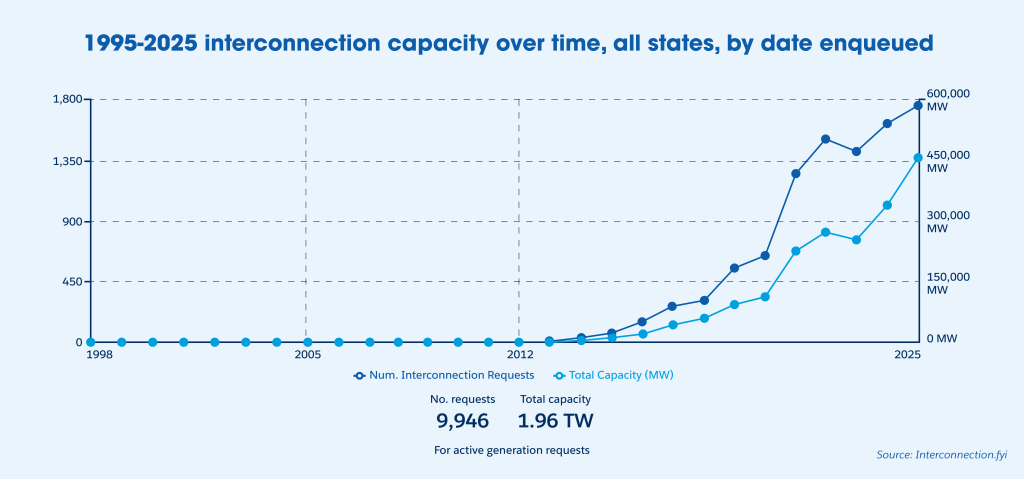
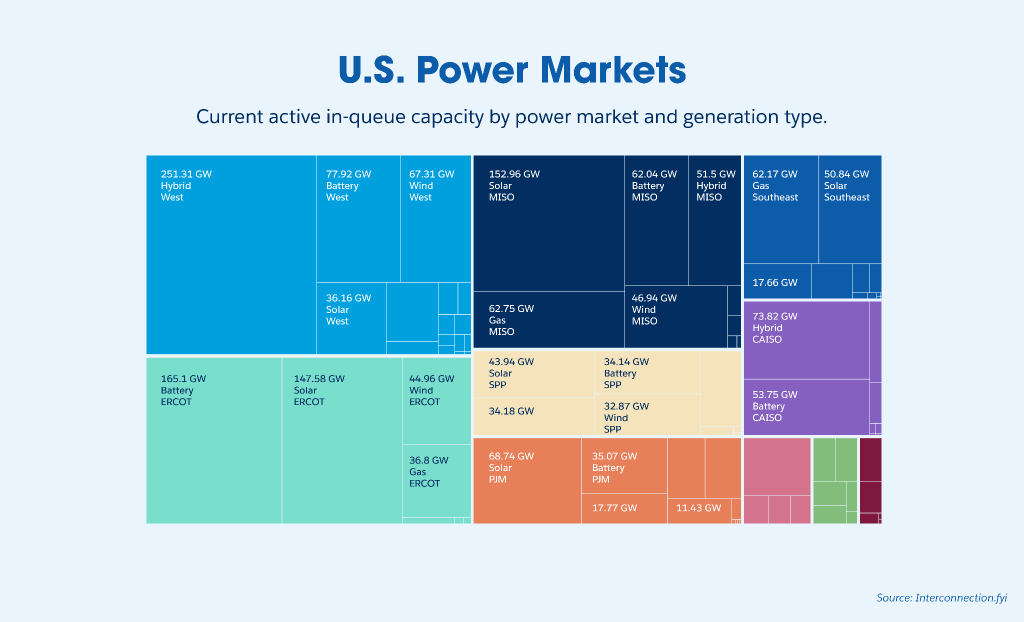
Projects typically take more than 3 years to complete the interconnection process. The most common reasons for interconnection delays include:
- Lack of transmission capacity (see the previous section on our aging transmission infrastructure).
- Increased volume of requests, including many “speculative” interconnection requests from data center developers (e.g., submitting requests for early-phase projects that are unlikely to be completed, putting in multiple requests for the same facility with one utility, or filing multiple requests for the same project in different utility territories).
- Understaffed agencies that cannot accommodate the volume of generation applications they currently receive, partially due to outdated procedures and processes.
To speed up the connection process, the Federal Energy Regulatory Commission (FERC) proposed a major reform in 2022 to overhaul standard generator procedures. The primary shift replaces the slow, one-by-one review process with a “first-ready, first-served” approach that studies projects in clusters, significantly reducing wait times.
More recently, the Department of Energy directed federal regulators to establish new rules for connecting large electricity loads, such as data centers and industrial plants, directly to the transmission system. The goal is to ensure that all domestic industries have access to affordable and secure power.
These moves mark a significant shift in oversight. Historically, federal regulators have managed how power generators connect to the grid, but not how large consumers (loads) do. This new proposal will likely spark debate over legal authority, but its core focus is a critical tool for grid stability: large load flexibility. These agreements allow a major power user to reduce or pause energy use during peak demand, often by drawing on their own onsite supply. By committing to this flexibility, large users can accelerate their own connection times, reduce the need for costly new infrastructure, and lower overall energy costs.
One Salesforce Ventures portfolio company that enables large-scale flexibility is Emerald AI. Emerald’s Conductor platform orchestrates AI workloads in real time, enabling data centers to dynamically adjust energy consumption and support grid stability while maintaining acceptable AI compute performance. This ability to flex energy demand enables AI data centers to provide crucial grid relief during peak events by temporarily and precisely reducing electricity consumption while preserving compute service quality.
Emerald AI and NVIDIA are partnering with the regional grid operator for the Mid-Atlantic, Digital Realty, and the Electric Power Research Institute on its flexibility initiative. Together, they are launching the world’s first commercial-scale, 96MW data center designed for power flexibility. This project establishes a reference design for future facilities, enabling AI factories to scale rapidly while providing utilities with a proven standard for safely and quickly connecting these loads to the power grid.
Distribution
The distribution grid, historically designed for unidirectional power flow from central generation to consumers, is being pushed beyond its original design limits. It’s now evolving to manage bidirectional power flows, integrate a massive influx of Distributed Energy Resources like batteries and renewables, and enhance local resilience in the face of extreme events.
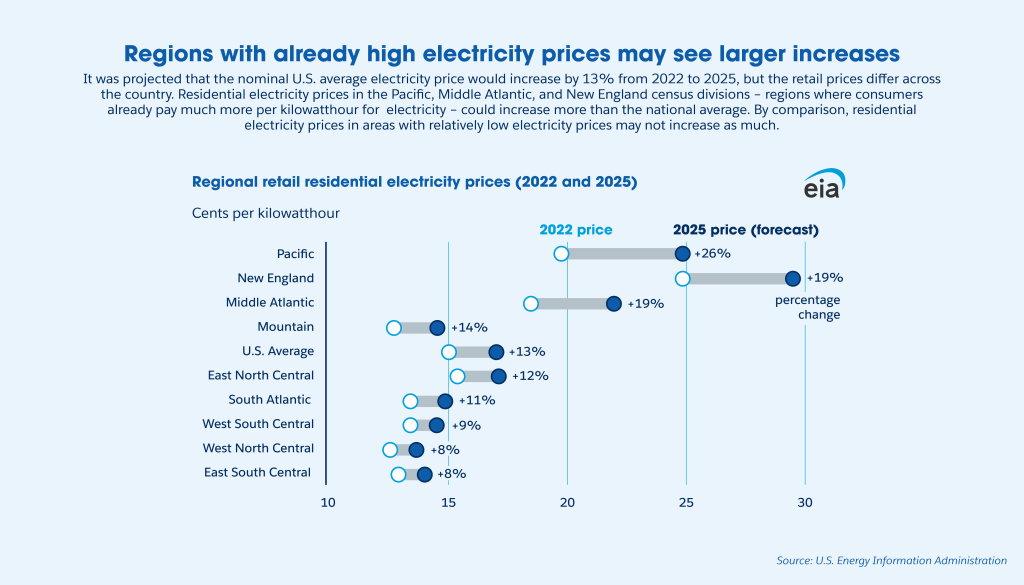
The primary challenge for the distribution grid is managing the substantial and rapid increase in electrical load from new generation sources, EVs, and local data centers. The integration of these new loads must be coordinated and reliable — requiring standardized metering and communications infrastructure, along with sophisticated cyber security controls — to manage the fluctuating output of local energy resources and the variable demand of electric vehicles.
Modernizing the distribution grid requires leveraging demand-side flexibility to maintain reliability and efficiency. Demand response and VPPs are becoming essential components of the distributed system. DR is broadly interpreted as any modification of end-use load to provide grid services, such as reducing load at peak times or providing load-following reserves.
A recent study in Florida found that DR can provide flexibility with an overall impact similar to 1 GW of 6-hour battery energy storage spread throughout the Florida Reliability Coordinating Council power system, with important differences in which types of generation are displaced.
The aforementioned Emerald AI, as well as Base Power, are both working on innovations to advance the distribution grid. Another portfolio company, Weavegrid, is focused on optimizing EV charging to take strain off the distribution grid, locking capacity when needed, while leveraging EV batteries as a backup power source.
Powering Energy Abundance With AI
At Salesforce Ventures, we see the push to build a power backbone for the AI era as one of the most significant innovation cycles in history. It represents a macro opportunity and enables our portfolio companies to scale. We’ve begun backing pioneers in this field, with the conviction that transformative developments will continue to emerge.
Software is the essential layer that turns raw energy and physical infrastructure into an intelligent, agile, and sustainable system. Beyond its role in optimization, software will be the primary driver behind the next generation of energy breakthroughs, enabling the grid to think, adapt, and scale at the speed of AI. For builders and investors alike, securing this infrastructure is not just a strategic priority; it is the foundation of the era of abundance ahead. Areas of opportunity include:
- Enabling AI-scale workloads: Location siting and development workflows, operations management, grid interface and energy-market integration, enterprise energy consumption, and data center efficiency.
- Visibility, control, and optimization: Forecasting load, predicting failures or bottlenecks, improving transmission, and enabling new generation like fusion.
- Smart grid OS: VPPs, load management and flexibility, transmission & distribution, managing revenue streams, forecasting markets, controlling assets, and optimizing finance
- Scaling securely and sustainably: Cybersecurity layers, operational resilience, compliance tracking, carbon accounting, lifecycle monitoring, and other governance controls.
We are building the future of energy in real time with the help of AI. From novel sources of energy generation to optimizing the energy supply chain, AI has the potential to meaningfully accelerate efforts to modernize our infrastructure and achieve long-term energy abundance. We’re excited to nurture innovation focused on revolutionizing energy generation, transmission, interconnection, and distribution. If you’re a founder building in these spaces, we’d love to hear from you. To get in touch, click here.