

Welcome, Mujin!
Comprehensive robot control system in manufacturing and logistics.
December 16, 2025




- Founders: Issei Takino (CEO) and Rosen Diankov (CTO)
- Sector: Robotics
- Location: Tokyo, Japan


The Opportunity
Manufacturing and logistics operations worldwide face intense pressure, driven by labor shortages, rising wages, and the increasing complexity of on-site operations. Facilities must now manage greater SKU variability, shorter planning cycles, and unpredictable demand, all while maintaining throughput, safety, and accuracy.
Traditional automation systems, with their fixed programming and rigid infrastructure, were never designed to accommodate this level of variability. When product dimensions, packaging, or workflow priorities shift, these legacy systems struggle to keep pace. This forces essential, repetitive tasks (such as depalletizing, case handling, kitting, and sorting) to remain dependent on human labor.
As these physically demanding roles become harder to staff, productivity plateaus and operational costs rise. The core challenge is no longer just labor; it is the lack of adaptable, intelligent automation that can match real-world conditions. Closing this gap is crucial for manufacturers and logistics providers to scale and remain competitive.
The Solution
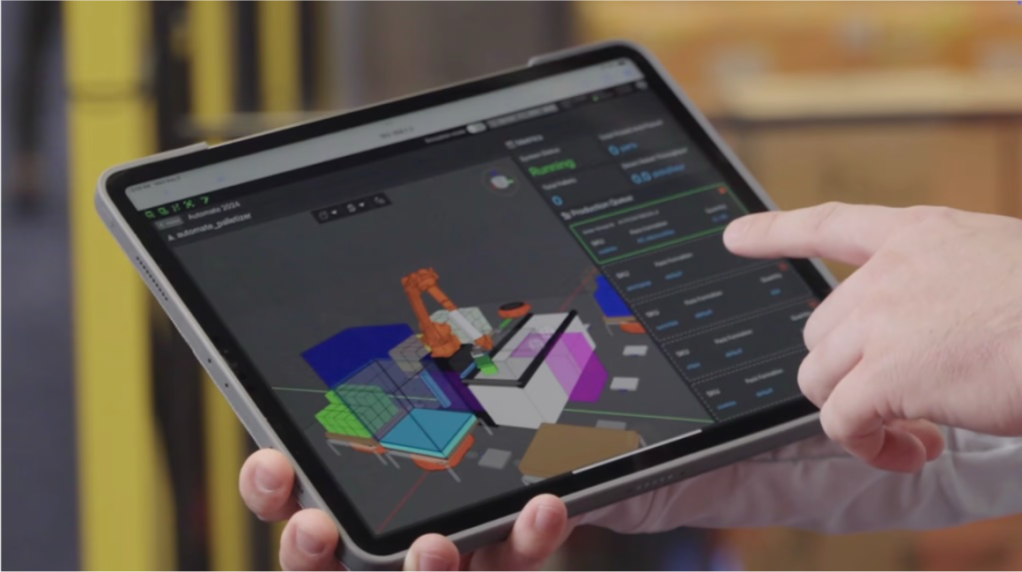
Companies are eager to adopt robotics, but traditional deployment is challenging. Today’s robots often require painstaking, expert programming for every movement. If a product is slightly out of place, the robot stops, requiring an engineer to intervene. This makes automation risky and expensive.
Mujin is changing that.
Mujin’s technology enables robots to understand their surroundings and respond nimbly, much like a human worker. Instead of manual programming, robots equipped with Mujin intelligence recognize different products and adjust their actions automatically, ensuring continuous productivity with less engineering effort.
Mujin also removes the barrier of system complexity. While traditional facilities might use robots from several manufacturers—each requiring complicated, unique integration—MujinOS seamlessly coordinates robots from multiple global manufacturers under one intelligent platform. One smart system, many robots, working as one.
From unloading pallets and building mixed-SKU loads to coordinating automated vehicles, Mujin enables full-flow automation across the entire warehouse or factory. By making robots easier to deploy and maintain, Mujin is helping businesses scale automation faster than ever before.
Why We’re Backing Mujin
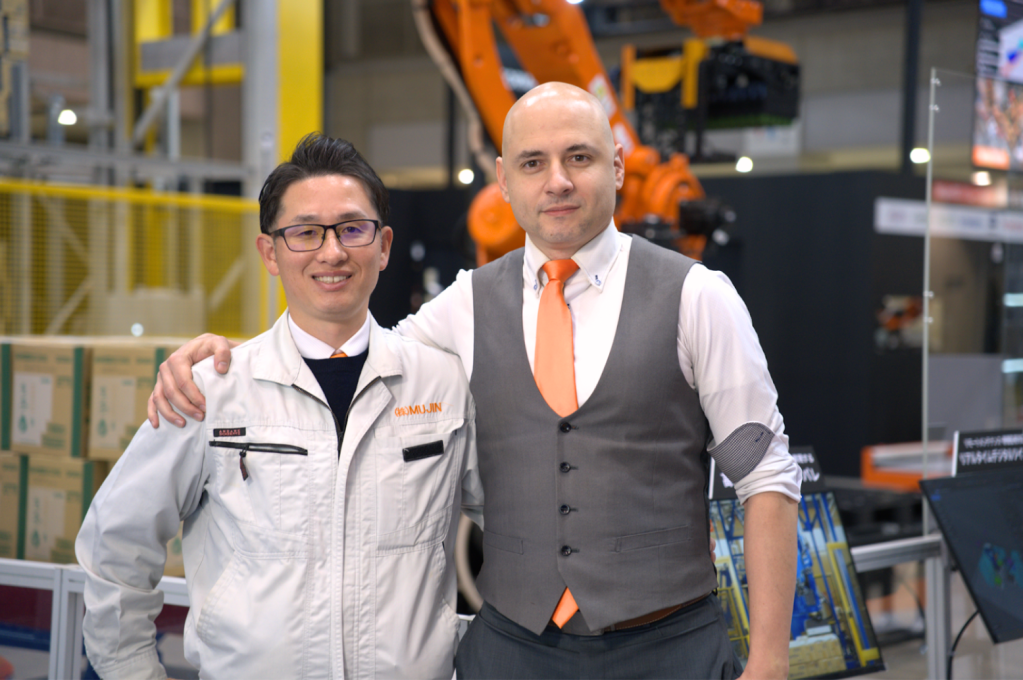
As the wave of physical AI rises, Mujin stands out as a company defining the future of intelligent robotics globally. Mujin’s strength lies in its combination of visionary leadership and deep technical expertise. Issei Takino’s intimate industry knowledge, paired with Rosen Diankov’s pioneering research in robotics from Carnegie Mellon University, has transformed advanced concepts into practical, production-ready solutions.
This commitment to precision and reliability meets the stringent requirements of the world’s most demanding industrial environments. Mujin’s technologies are already deployed by leading multinational manufacturers and logistics providers, positioning the company as a frontrunner in the global shift toward intelligent, autonomous operations.
Mujin’s innovations address universal pressures—rising labor costs, shrinking workforces, and accelerating complexity—enabling organizations worldwide to boost productivity, enhance safety, and establish more resilient, future-ready operations.
What’s Ahead?
As the wave of physical AI rises globally, we’re honored to support Mujin, a company emblematic of Japan’s strength in robotics technology.
Mujin’s solutions are already driving implementation within many global enterprises, and their business acceleration is anticipated to grow further as the world focuses more intensely on physical AI. We’re proud to join this Series D funding round alongside NTT Group, Qatar Investment Authority (QIA), and Mitsubishi HC Capital Realty, and contribute to Mujin’s global expansion and the transformation of the industrial sector.
Welcome to Salesforce Ventures, Mujin!